


|
|
|
 |
 |
 |
 |
 |
 |
 |
 |
|

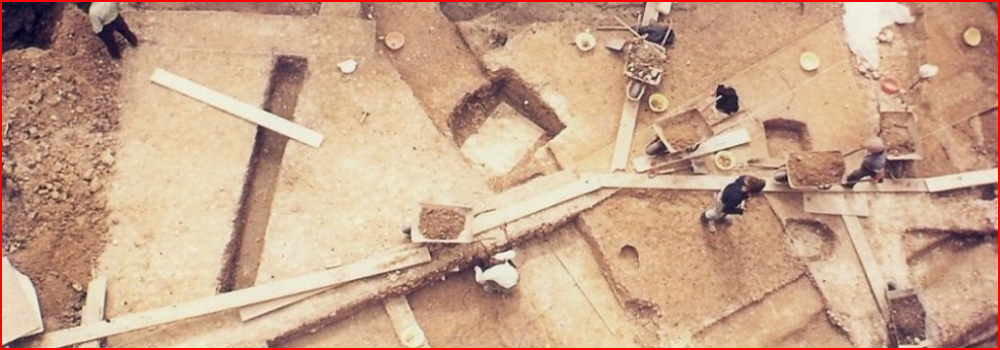
Larger scale, open area excavations carried out prior to commencement of development to record archaeological deposits likely to be damaged or destroyed. Excavations form the second and most complex level of direct archaeological site assessments. In PPG 16 archaeological excavations are referred to as ‘preservation by record’ (PPG 16 Section 25) and are undertaken in order to comply with local authority planning conditions.
Open area excavations are also usually carried out as part of a mitigation strategy prior to the development commencing. If an identified area of archaeological features is considered to be of local or regional importance, but not of sufficient importance to warrant preservation in-situ, then it may be fully excavated. To find out more about archaeological excavations and how this may affect your development, please contact us.
|
  |
 |
 |
 |
All material on this website, including images, text and graphics, is copyright © 2008 Archaeology and Heritage Management Consultancy unless otherwise stated. The material on this site should not be used, copied, stored or transmitted without the prior written consent of Archaeology and Heritage Management Consultancy in accordance with the Copyright, Designs and Patents Act 1988. |














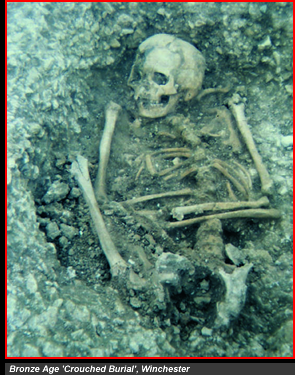 Following an evaluation, an excavation may be required before a development can proceed. Archaeological excavations vary greatly in scale and duration, from a one or two-week fieldwork project, to extensive open-area excavations several hectares in extent, involving the deployment of large field teams over several months. Excavations take place when a development threatens to destroy proven buried archaeological deposits. These works undoubtedly are the most expensive of all archaeological investigations and potentially can be the most disruptive to a development programme. This is why the professional services offered by