

|
|
|
 |
 |
 |
 |
 |
 |
 |
 |
|

Post Excavation and Finds Analysis consists of a developments archaeological archive. This archive may be a combination of artefacts such as pottery, glass, building materials, stone, coins, as well as animal/human bones and environmental samples. The paper records generated on site comprising descriptive text, plans, drawings and photographs of the excavated remains form the other side of the site archive. The physical finds such as the artefacts and features will inform on the nature of the human activities on site, whereas the animal bone and environmental samples will provide information on economy, climate, environments and diet.
Finds from an archaeological evaluation and/or excavation and watching brief may include Prehistoric, Roman, Saxon, Medieval and Post-Medieval artefacts. These artefacts include pottery, roof tiles and bricks, glass, moulded stone, flint tools, leather, coins, jewellery, tools and household items and are all dealt with by consultant specialists, who are able to analyse and provide reports on the artefacts discovered during archaeological field investigations and as part of the planning process required for the development. Similarly, any remains recovered from environmental processing, such as carbonised and waterlogged seeds and wood; shells, snails, diatoms, fish, animal bones and ‘buried’ soils all contribute to studies of the environment, climate, economy, welfare, social and religious aspects of people and sites under investigation. The assessment phase of the post-excavation work serves to establish the nature and importance of the archaeology uncovered. It informs the client and planning department of the results of the fieldwork and the nature of the site archive. Following this assessment, the site archive is prepared for deposition with a relevant local museum and reports written and if necessary published. The materials can also be accessed for further research by interested parties and stored for future generations to enjoy and study. Occasionally, finds of importance may be exhibited by the museum at designated times, to inform members of the public and school children about the importance of their local area, village or town. |
  |
 |
 |
 |
All material on this website, including images, text and graphics, is copyright © 2008 Archaeology and Heritage Management Consultancy unless otherwise stated. The material on this site should not be used, copied, stored or transmitted without the prior written consent of Archaeology and Heritage Management Consultancy in accordance with the Copyright, Designs and Patents Act 1988. |





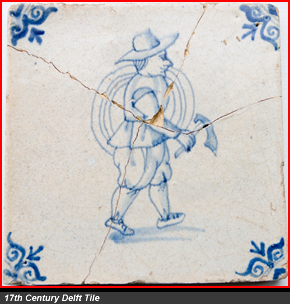 Post Excavation projects commence with cataloguing the material generated in the field and the washing and processing necessary prior to it being assessed by the relevant specialist. Once the records and drawings have been checked, indexed and summarised in order to place the finds and samples in their archaeological context, the specialists can start their assessment and analysis of the remains.